Skilled Nursing Facilities (SNFs) are preferred for complex wound management because they provide 24/7 continuous clinical monitoring, immediate access to bedside surgical debridement, and specialized equipment like Negative Pressure Wound Therapy (NPWT) that is difficult to maintain in a residential setting. Unlike home health care, which relies on intermittent visits, an SNF ensures a controlled environment where a multidisciplinary team can immediately intervene to prevent sepsis and promote tissue regeneration.
Comparing Care Environments: SNF vs. Home Health Care
Choosing the right setting for wound recovery is a decision that impacts healing velocity and long-term survival. While many patients prefer the comfort of home, the clinical reality of a Stage III or IV pressure ulcer often demands more than a visiting nurse can provide. For families evaluating a rehabilitation center in Voorhees, NJ, understanding the structural differences in care is the first step toward a safe recovery.
| Feature | Skilled Nursing Facility (SNF) | Home Health Care |
| Monitoring | 24/7 Continuous Nursing | Intermittent (1–3 hours per visit) |
| Debridement | On-site bedside or surgical access | Limited; often requires medical transport |
| Infection Control | Sterile, medical-grade environment | Variable (dependent on home hygiene) |
| Specialized Surfaces | High-end air loss mattresses included | Requires insurance approval/rental |
| Response Time | Immediate intervention for changes | Delayed until the next scheduled visit |
In a home setting, a patient may only see a clinician three times a week. If a wound dressing becomes saturated or an infection spikes on a Tuesday night, the patient may not be assessed until Thursday. In a professional facility, that change is caught in minutes.
Key Clinical Advantages of SNF Placement
The clinical superiority of an SNF for complex wounds lies in the “bundle of care” provided under one roof. When we examine the high standards maintained by nursing homes in Voorhees, NJ, several key advantages emerge:
1. Immediate Specialized Intervention
Complex wounds require frequent “sharp debridement” to remove necrotic tissue. In an SNF, wound care physicians are often onsite to perform these procedures at the bedside. Managing a “Wound VAC” also requires troubleshooting alarms and maintaining an airtight seal, tasks that are overwhelming for family caregivers but routine for facility staff.
2. Nutritional Optimization and Lab Access
Wound healing is an internal process. SNFs employ registered dietitians who manage high-protein diets and monitor albumin levels via onsite labs. If a patient’s blood sugar spikes, a common deterrent to healing, the nursing staff adjusts protocols in real-time, which is essential for those transitioning from assisted living in Voorhees, NJ, to a higher level of care.
3. Physical Therapy and Offloading
A wound cannot heal under constant pressure. SNF patients have access to specialized “offloading” equipment and physical therapists who teach them how to move without compromising the wound site. This level of coordination is difficult to replicate through fragmented home health visits.
The Secret to Our Success: The “3R” Clinical Philosophy
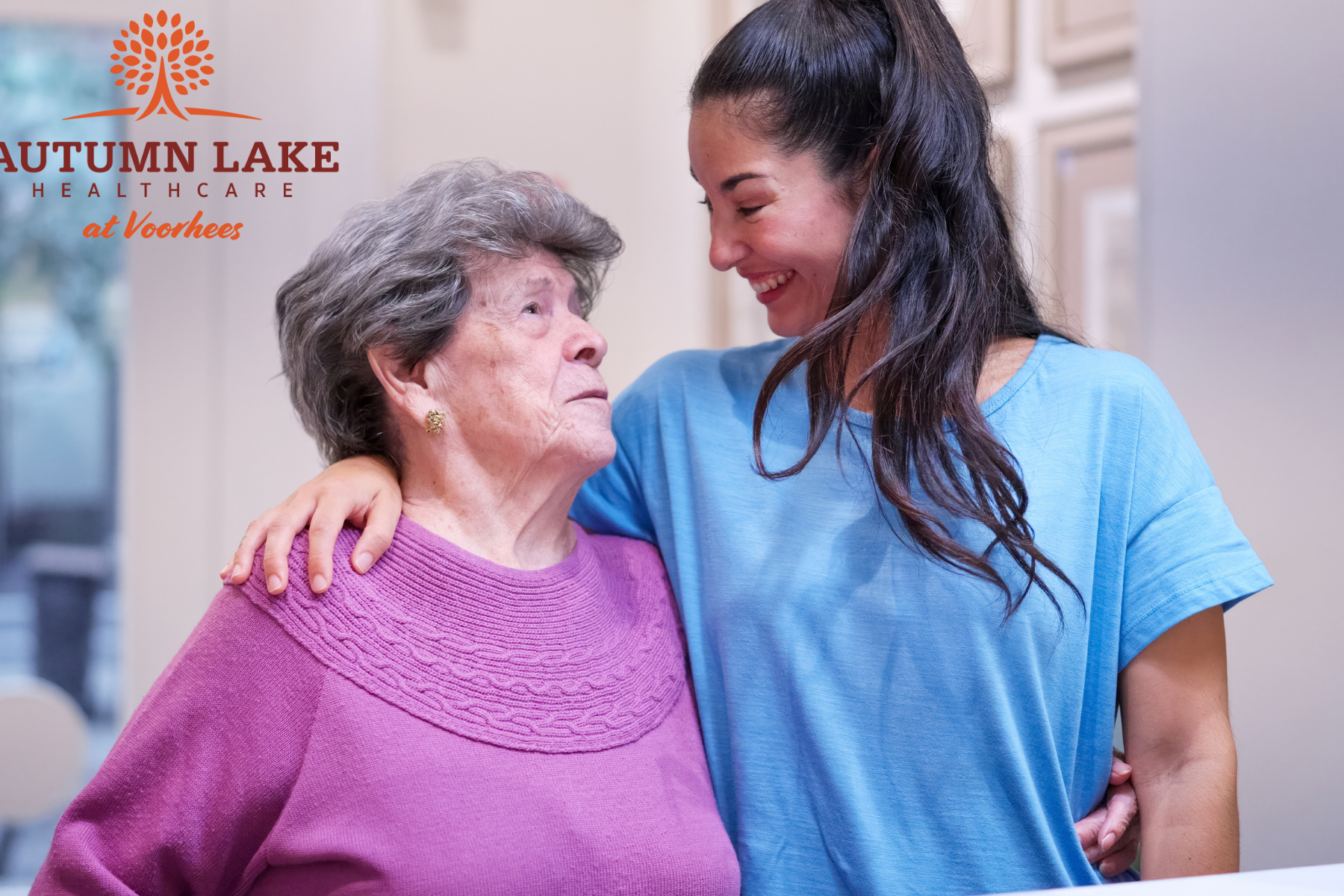
We believe that clinical excellence must be paired with emotional well-being. Our proprietary approach ensures our facility helps residents rest, relax, and rejuvenate in the capable hands of our caring staff. In addition to sub-acute rehabilitation, we are known for our excellence in long-term care, which provides round-the-clock skilled nursing for a wide range of complex medical conditions. For families researching senior living in Voorhees, we bridge the gap between a medical institution and a comfortable home environment.
The 3R Integration Includes:
- Rest: High-tech pressure-redistribution mattresses and quiet environments to lower cortisol levels.
- Relax: A delightful dining experience where residents can choose to join us in our dining room for social stimulation or stay in the privacy of their own room for maximum comfort.
- Rejuvenate: Advanced wound protocols delivered by nurses who treat residents like family.
To support this philosophy, we provide a robust suite of amenities:
- Private or semi-private rooms with TVs and Internet access.
- Lounges and activity areas to foster community.
- Full-service dining options tailored to clinical needs.
- Housekeeping, laundry, and linen services to maintain a sterile environment.
- Dedicated phones for each guest to stay connected with loved ones.
We facilitate a smooth financial transition by accepting Medicare, Medicaid, most private insurances, and private pay.
Debunking the “Hospital-at-Home” Myth
The Myth: Modern technology makes home health just as safe as a facility for any wound type.
The Reality: While telehealth has improved, it cannot replace the tactile assessment of a wound specialist. During a recent audit of recovery outcomes within our Service Areas, it was noted that home-based patients had a higher rate of readmission for wound-related sepsis. Family members may not recognize the subtle “fruity” odor of a budding infection or “undermining” at the wound edge, whereas a professional nurse identifies these red flags instantly.
Technical Specifications for Complex Wound Care
- Wound VAC (NPWT): Employs sub-atmospheric pressure to pull wound edges together and remove excess fluid.
- Bio-Engineered Tissue: Application of skin substitutes that require specific storage temperatures and sterile handling.
- Exudate Management: Use of specialized dressings, such as silver-impregnated alginates, selected based on the wound’s daily evolution.
- Vascular Assessment: On-site checks to ensure the limb is receiving enough oxygenated blood to heal, a standard practice for nursing home & elder care in Voorhees, NJ.
Frequently Asked Questions
Why is 24/7 nursing important for a wound? Wounds can change rapidly. In an SNF, a nurse can change a saturated dressing immediately, preventing skin maceration and further breakdown.
Can home health nurses do debridement? Typically, home health nurses are limited to enzymatic debridement (using creams). Sharp debridement with a scalpel usually requires a clinical setting.
Is an SNF covered by insurance for wound care? Yes. Most facilities accept Medicare and Medicaid for skilled nursing services when a “skilled need”, such as daily complex wound care, is documented by a physician.
To Sum Up
Complex wound management is a clinical marathon. The 24-hour oversight and nutritional support found in an SNF provide the highest probability of avoiding complications. At Autumn Lake Healthcare at Voorhees, we combine advanced medical protocols with a warm atmosphere to help you return to your life with confidence.
Ready to learn more about our care options? Visit us or contact our admissions team today to schedule a tour.