A physician recommends a Skilled Nursing Facility (SNF) over home health when a patient’s comorbidities require 24/7 clinical monitoring, frequent medication titration, and immediate access to an interdisciplinary medical team. For high-acuity patients, the SNF environment provides a controlled setting that significantly reduces the risk of preventable hospital readmissions and life-threatening complications that home care cannot adequately manage.
The Clinical Decision: Prioritizing Safety in Complex Cases
When a patient is discharged from a hospital with a single diagnosis, such as a simple bone fracture, home health care is often a viable path. However, the medical landscape shifts dramatically when that same patient is also managing Type 2 Diabetes, Chronic Obstructive Pulmonary Disease (COPD), and Congestive Heart Failure (CHF). This “fragile equilibrium” means that a minor fluctuation in one system can cause a total physiological collapse.
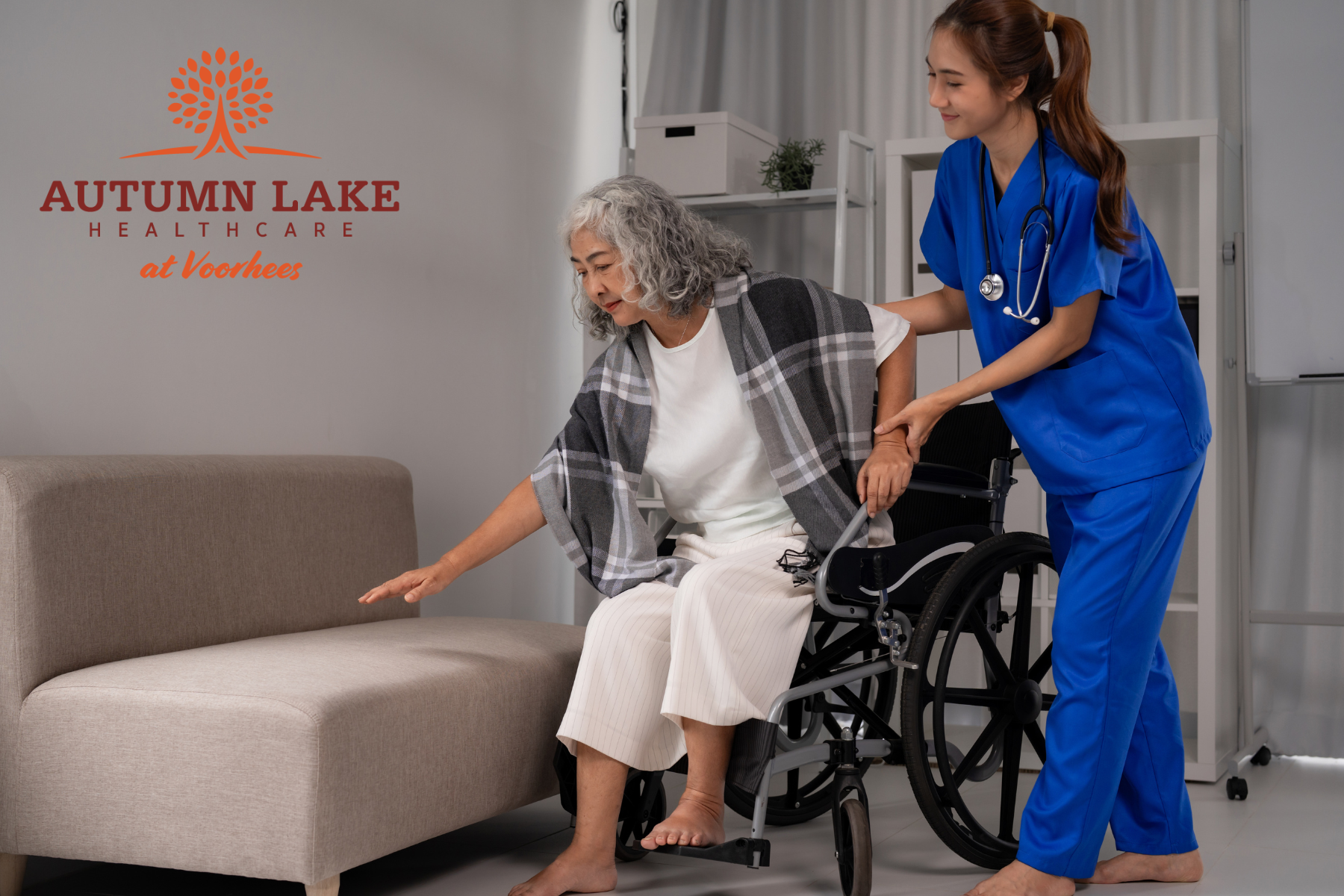
Physicians evaluate the acuity of care, the level of intensity required to keep a patient stable. In a home setting, a nurse may only visit a few times a week. For a patient in Voorhees or our surrounding Service Areas, that gap in time can be dangerous. In an SNF, the clinical “eyes and ears” are always on, allowing for the detection of subtle changes in oxygen saturation or blood glucose levels before they escalate into emergencies.
The Impact of Polypharmacy
Managing multiple conditions inevitably leads to polypharmacy. The risk of adverse drug reactions increases with each new prescription. Physicians favor an SNF because licensed nurses manage the administration and monitor for side effects in real-time. This level of oversight is critical during the first 14 days post-hospitalization, which is the highest risk window for medication errors in a residential setting.
SNF vs. Home Health: A Resource Comparison
To understand why a physician leans toward institutional care, we must examine the disparity in resources. While home health offers comfort, an SNF offers a clinical infrastructure designed for stabilization.
| Feature | Skilled Nursing Facility (SNF) | Home Health Care (HHC) |
| Medical Oversight | 24/7 Licensed Nursing on-site. | Intermittent visits (approx. 2-5 hours/week). |
| Therapy Frequency | Daily Physical, Occupational, and Speech Therapy. | 2–3 sessions per week, depending on travel. |
| Diagnostic Support | On-site labs, X-rays, and EKG. | Requires transport to a secondary clinic. |
| Nutrition Management | Registered Dietitian-led therapeutic meals. | Self-prepared or caregiver-dependent. |
For those seeking a rehabilitation center in Voorhees, the daily intensity of therapy is often the deciding factor. In an SNF, a patient might receive three hours of therapy per day, whereas home health is often limited by the physical constraints of a living room and the travel schedule of the therapist.
The Autumn Lake Approach: Rest, Relax, and Rejuvenate
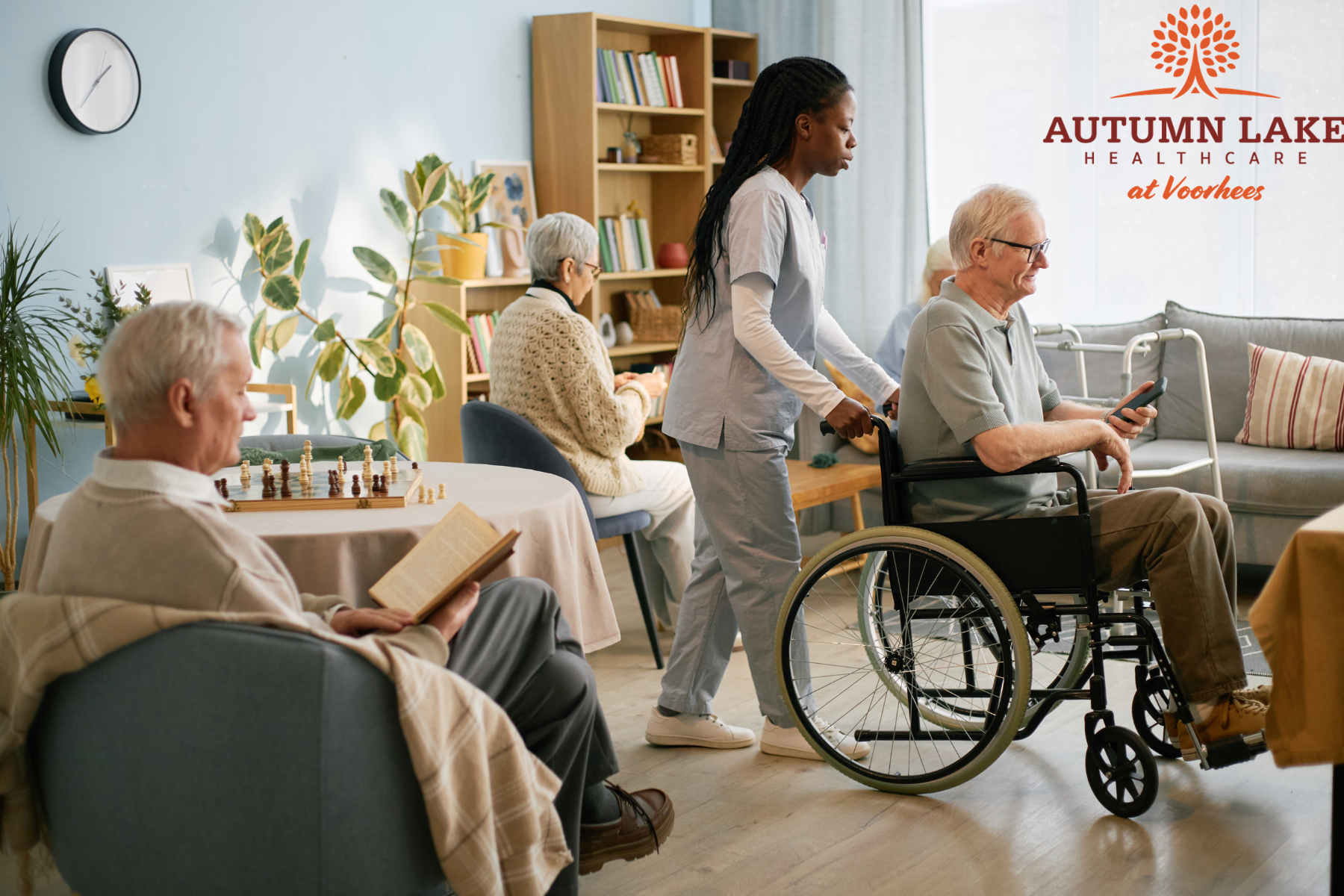
Our philosophy is built on the belief that clinical excellence must be paired with emotional well-being. We understand that “medical necessity” drives the referral, but the patient’s environment drives the recovery. Our facility helps residents rest, relax, and rejuvenate in the capable hands of our caring staff.
In addition to sub-acute rehabilitation, we are known for our excellence in long-term care, which provides round-the-clock skilled nursing for a wide range of complex medical conditions. We provide a bridge between the hospital and home by offering:
- Round-the-Clock Clinical Vigilance: Our nurses manage comorbid symptoms proactively rather than reactively.
- A Delightful Dining Experience: Residents enjoy nutritious meals and can choose to join us in our dining room or to stay in the privacy of their own room.
- Comprehensive Amenities: We provide private or semi-private rooms, TVs, and Internet Access to ensure residents stay connected.
- Complete Logistics: From phones for each guest to housekeeping and laundry/linen services, we handle the daily chores so the patient can focus on healing.
By integrating these features, we function as a premier nursing home and rehabilitation center in Voorhees, NJ, providing a level of care that a standard home health agency cannot replicate.
Debunking the Myth: “Home is Always Safer”
A common industry misconception is that the “comforts of home” lead to faster healing because they reduce the stress of a clinical setting. While emotional comfort is vital, clinical safety is the ultimate metric for recovery.
The myth suggests that facilities increase the risk of infection. However, for a patient with multiple comorbidities, the risk of a “home-based” complication, such as a fall due to poor lighting or an infection from an improperly cleaned wound, is statistically much higher. In a high-quality nursing home in Voorhees, NJ, infection control is a regulated protocol. Furthermore, the psychosocial benefits of being around professional staff often outweigh the isolation many seniors feel when confined to their homes during recovery.
Defining the Features of High-Acuity Care
When a physician evaluates senior living in Voorhees, NJ, they look for specific “fail-safes” within the facility. These include:
- Interdisciplinary Care Teams: A coordinated group including physicians, nurses, and therapists who meet to discuss progress.
- Advanced Wound Care: Specialized equipment for patients with surgical complications or vascular issues.
- Financial Accessibility: We accept Medicare, Medicaid, most insurances, and private pay to ensure the transition is seamless.
For families exploring assisted living in Voorhees, it is important to note that while those settings offer help with dressing and bathing, they do not provide the 24/7 “skilled” medical care found in a nursing home or SNF.
Frequently Asked Questions
Why is an SNF better than home health for heart failure?
Heart failure requires daily weight monitoring and precise fluid management. In an SNF, nurses catch “fluid creep” (weight gain) immediately and adjust medications, preventing emergency re-hospitalization.
Does insurance cover Skilled Nursing more than Home Health?
Insurance, including Medicare, typically covers both if “medical necessity” is proven. For those with multiple comorbidities, the documentation for SNF care is usually more robust because the risks of home-based care are higher.
How long does a typical stay at an SNF last for a patient with multiple comorbidities?
The length of stay is highly individualized. While some patients may graduate to home care within 20 to 30 days, those managing “fragile equilibrium” involving respiratory or cardiac issues may stay longer to ensure their medication titration is fully stabilized. Our goal is to ensure you don’t just go home, but stay home.
Can my primary care physician still be involved if I choose an SNF in Voorhees?
Yes. While our on-site medical directors oversee daily clinical needs, we prioritize communication with your community-based specialists. This ensures that the progress made during your rehabilitation is seamlessly shared with your long-term care team once you are discharged.
To Sum Up
The transition from a hospital to the next stage of care is a pivotal decision. When multiple chronic conditions are at play, the stakes are too high to rely on intermittent home visits.
At Autumn Lake Healthcare at Voorhees, we provide a sanctuary where clinical expertise meets genuine compassion. Whether you are seeking a rehabilitation center or specialized long-term nursing, our team is equipped to handle complex medical profiles with precision. We invite you to experience a community where residents truly rest, relax, and rejuvenate.
Ready to learn more about our care options? Visit us or contact our admissions team today to schedule a tour.