
The primary difference between daily life in long-term care and short-term rehab is the intensity and goal of activity. Short-term rehab focuses on rigorous clinical recovery through daily physical and occupational therapy to facilitate a return home. Long-term care focuses on maintenance, social engagement, and high-quality clinical support for residents with chronic medical needs.
The Core Philosophy: Recovery vs. Residency
When a family member requires professional medical support, the distinction between a rehabilitation center in Voorhees, NJ, and a long-term care setting is defined by the “finish line.” In a short-term rehabilitation setting, the schedule is a race toward independence. Whether recovering from a hip replacement or a cardiac event, the daily life of a patient is structured around intense physical, occupational, and speech therapies to restore function.
Conversely, long-term care is about creating a permanent home that maintains medical safety. It is designed for those who can no longer live independently due to complex medical conditions or cognitive decline. During a recent community audit for families in Ashland, we found that the greatest peace of mind comes from knowing that while medical oversight is constant, the atmosphere remains intentionally residential.
The Structured Day: Short-Term Rehabilitation Schedules
If you were to step into a premier care center in Voorhees, NJ, you would notice that the short-term wing hums with a specific energy. The “Athlete Model” of care defines this experience. Days begin early with clinical checks and medication management to ensure the body is primed for physical exertion.
Residents typically engage in one to three hours of active therapy daily. This is not just exercise; it is targeted neuromuscular re-education. Occupational therapists work with residents on “Activities of Daily Living,” such as practicing how to safely navigate a kitchen. Because the physical demand is high, the afternoon is reserved for recovery periods that allow the nervous system to integrate the day’s progress.
The Community Rhythm: Long-Term Care Daily Life
For those residing in senior living in Voorhees, NJ, the schedule is less about therapy blocks and more about the quality of the moment. While skilled nursing is available 24/7, it happens in the background of a vibrant social life. A morning might start with a gentle stretching class, followed by a gardening club or a musical performance.
Activity Comparison: Therapy vs. Engagement
| Feature | Short-Term Rehabilitation | Long-Term Care (Residency) |
| Primary Goal | Functional recovery and discharge. | Comfort and ongoing medical stability. |
| Therapy Frequency | 3+ hours of active therapy daily. | Periodic maintenance or restorative nursing. |
| Social Life | Secondary to rest and healing. | The heartbeat of the daily schedule. |
| Typical Stay | 14 to 90 days. | Permanent residency. |
| Dining Focus | Nutritional fuel for recovery. | Gourmet, social dining experiences. |
For residents transitioning from neighborhoods like Kresson, maintaining these social ties is often the best medicine for longevity.
Our Approach: Excellence in Specialized Care
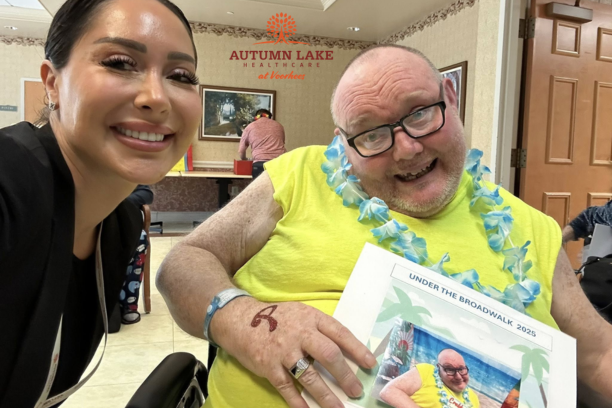
We pride ourselves on a unique environment where our facility helps residents rest, relax, and rejuvenate in the capable hands of our caring staff. In addition to sub-acute rehabilitation, we are known for our excellence in long-term care, which provides round-the-clock skilled nursing for a wide range of complex medical conditions. This dual focus eliminates the “institutional” feel that many fear when looking for a nursing home and rehabilitation center in Voorhees, NJ.
Our residents benefit from a gourmet dining experience, prepared by our very own culinary chef under the direction of a registered dietician. To support a high quality of life, we provide:
- Private or semi-private rooms
- TVs and Internet Access
- Lounges and activity areas
- Full-service dining options
- Phone for each guest/resident
- Housekeeping, laundry, and linen services
Debunking the Myth: Is Long-Term Care a “Permanent Hospital”?
A persistent misconception in the healthcare industry is that moving into a nursing home in Voorhees, NJ, means giving up your lifestyle for a clinical ward. In reality, modern long-term care is a Social Model. While a hospital is a place you go to get well, this is a place you go to live well. Whether it’s enjoying a movie night in our lounges or participating in a community outing, the focus is on the individual’s preferences, not just their diagnosis.
We aim to remove the financial stress of these transitions as well. We accept Medicare, Medicaid, most insurances, and private pay. Our team works with families from Gibbsboro to navigate the complexities of coverage, ensuring the focus remains on the resident’s health.
Frequently Asked Questions
What is the average length of stay for short-term rehab? Most patients stay between 14 and 30 days, though the duration depends on the individual’s progress toward their specific physical therapy goals.
Can a rehab patient transition into long-term care? Yes. If a patient discovers they require more support than is available at home, we coordinate a seamless transition into our long-term care wing.
Are the meals different for long-term residents? No. Every resident enjoys the same gourmet dining experience directed by our registered dietician, ensuring high-quality nutrition regardless of the length of stay.
To Sum Up
Whether you are looking for an intensive recovery program or a warm, skilled environment to call home, our team is here to guide you. Experience our “Rest, Relax, and Rejuvenate” philosophy firsthand.
Would you like to schedule a tour of our facility? Visit us to learn more about our commitment to excellence in care.