What are the Clinical Differences Between a Post-Acute Rehabilitation Stay and Long-Term Custodial Care?

Post-acute rehabilitation is a short-term, intensive medical service focused on functional recovery and discharge, while long-term custodial care provides ongoing, non-skilled assistance with activities of daily living for chronic conditions. The primary clinical differentiator is the requirement for “skilled” medical intervention versus “unskilled” maintenance and safety supervision.

The Clinical Spectrum: Skilled vs. Unskilled Care

The transition from a hospital to a post-hospital environment depends on whether a patient requires medical necessity or functional support. Many families seeking a nursing home and rehabilitation center in Voorhees, NJ, encounter a crossroads: does the patient need a temporary “boost” to return home, or a permanent, safe environment for the long term?

Clinically, these paths serve different masters. Post-acute care is governed by the “improvement standard,” where insurers and medical providers require measurable gains in strength and mobility. Conversely, custodial care focuses on “stability and safety,” ensuring that individuals who can no longer live independently are protected in a dignified manner.

Comparison of Care Intensity and Goals

Clinical Feature Post-Acute Rehabilitation Long-Term Custodial Care
Primary Objective Restoration of function (Rehab) Maintenance of safety (Support)
Medical Oversight Daily or frequent clinician rounding Monthly or quarterly physician reviews
Nursing Level High (RN/LPN-led clinical tasks) Moderate (CNA-led personal care)
Therapy Frequency 5–7 days per week (Intensive) As needed (Maintenance)
Expected Outcome Discharge to a lower level of care Aging in place / Palliative support

3 Key Clinical Differentiators

When evaluating a rehabilitation center in Voorhees, specific clinical triggers separate these two levels of care.

1. The “Skilled” Requirement

Post-acute care requires a “skilled” need, meaning the patient requires the expertise of a registered nurse or a licensed therapist for tasks that cannot be safely performed by a layperson. This includes complex wound care, IV therapy, or intensive physical therapy following a stroke. In contrast, custodial care focuses on Activities of Daily Living (ADLs), such as bathing, dressing, and “transferring”, the physical act of moving from a bed to a chair.

2. Duration and Intent of Stay

Post-acute rehabilitation is inherently transient, designed as a goal-oriented phase of recovery that typically lasts between 14 and 100 days. During a recent clinical review for a family in the Alluvium neighborhood, we noted that the most successful outcomes occur when a discharge plan is established upon admission. Long-term custodial care is intended to be a resident’s permanent home, providing 24-hour supervision for an indefinite period.

3. Documentation and Progress Standards

In a rehab setting, clinical notes must document daily or weekly functional improvement. If a patient “plateaus” and no longer makes gains, insurance providers like Medicare may cease coverage. In a nursing home in Voorhees, NJ, the documentation shifts toward behavioral monitoring, skin integrity, and nutritional maintenance to ensure the resident remains stable.

Applying our S.T.R.I.D.E. Framework to Solve This

At our facility, we help residents rest, relax, and rejuvenate in the capable hands of our caring staff. To ensure every individual receives the exact level of care they need, we utilize our proprietary S.T.R.I.D.E. Framework. This system allows us to navigate the complexities of senior living in Voorhees, NJ, by focusing on precise clinical transitions:

  • S – Screening: We perform a comprehensive pre-admission assessment to determine if the patient can tolerate the 1–3 hours of therapy required in a post-acute setting.
  • T – Triage: Our team determines if the primary need is medical (Post-Acute) or functional (Custodial).
  • R – Resource Mapping: We align the patient’s clinical profile with our specialized units, ensuring those with complex medical conditions receive 24-hour skilled nursing.
  • I – Insurance Verification: We handle the verification for Medicare, Medicaid, and most private insurances, navigating the “3-midnight stay” hospital requirement.
  • D – Discharge Planning: For our rehab guests, we begin planning the return home on day one to ensure a seamless transition back to the community.
  • E – Evaluation: We conduct weekly clinical reviews to monitor progress and determine if a resident is ready to transition from rehab to long-term “aging in place.”
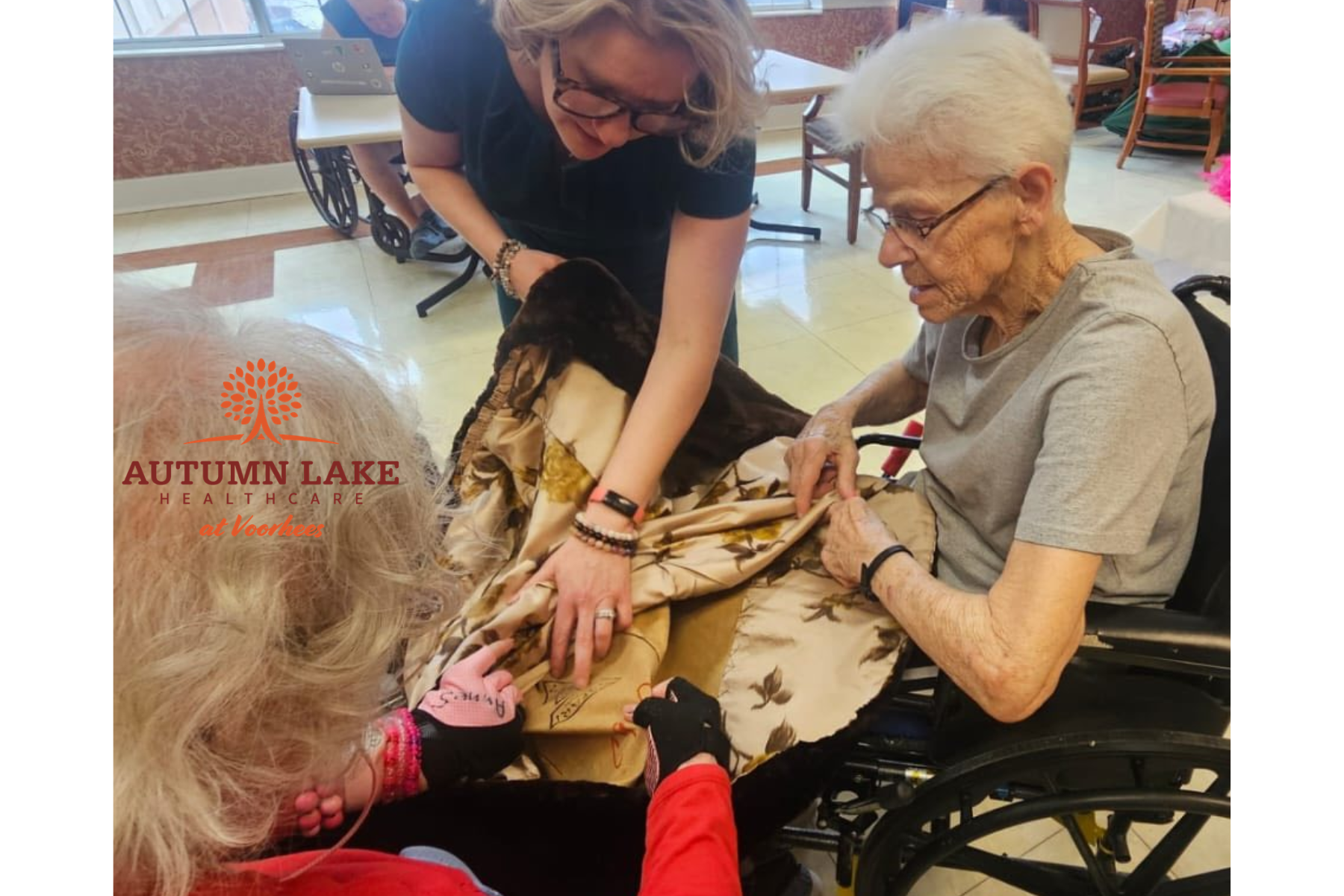
 

A staff member and two senior living residents in wheelchairs work together on a patterned fabric craft project in a sunlit


Debunking the “Medicare Covers Everything” Myth

A common industry misconception is that Medicare will pay for a long-term stay as long as the patient has a chronic medical diagnosis. Families exploring assisted living in Voorhees often discover this too late.

The Reality: Medicare never pays for long-term custodial care. It is an acute-care insurance program. It covers a “Skilled Nursing Facility” (SNF) stay for a limited time, up to 100 days, only if the patient requires daily skilled intervention. Once a patient is medically stable but requires help with dressing or walking, they are in “custodial” status, and the financial responsibility shifts to Medicaid, long-term care insurance, or private pay.

The Resident Experience: Amenities and Comforts

Whether you are here for sub-acute rehabilitation or long-term care, we prioritize a holistic environment. Our guests enjoy a gourmet dining experience, prepared by our culinary chef under the direction of a registered dietician. Our facility provides:

  • Private or Semi-private Rooms: Outfitted with TVs and internet access.
  • Social Spaces: Lounges and activity areas to foster community and mental wellness.
  • Support Services: Housekeeping, laundry, linen services, and a dedicated phone for each resident.

We accept Medicare, Medicaid, most insurances, and private pay to ensure our excellence in long-term care is accessible to all who need it.

Frequently Asked Questions

Does Medicare pay for a nursing home stay? Medicare only covers short-term skilled nursing care (rehab) following a qualifying hospital stay. It does not pay for long-term, permanent custodial care.

What is the difference between sub-acute and post-acute care? These terms are used interchangeably. Both refer to a level of care less intensive than a hospital but more specialized than traditional home care.

How do I know if my loved one needs rehab or long-term care? If the goal is to recover from an injury and return home, they need rehab. If they can no longer safely perform daily tasks like bathing or medication management, long-term care is required.

To Sum Up

At Autumn Lake Healthcare at Voorhees, we are dedicated to providing a superior clinical experience in a warm, welcoming environment. Whether you are seeking a rapid recovery or a permanent long-term home, our team is here to guide you. Experience the difference in quality care. Visit us or schedule a tour today!
Skilled Nursing Facility vs. Memory Care: A Comparison of Costs and Care Levels

The primary difference between a skilled nursing facility (SNF) and memory care is the clinical intensity of the services provided. Skilled nursing offers 24/7 medical monitoring and intervention for complex health conditions or post-acute recovery. In contrast, memory care is a specialized residential environment designed to enhance the safety and dignity of individuals living with Alzheimer’s or other forms of dementia.

Determining the right level of support is a critical decision for families. The choice between these two distinct models impacts your loved one’s health and your family’s financial planning.

Care Level Comparison: Clinical Needs vs. Cognitive Support

When a senior’s needs exceed what can be managed at home, the path forward splits toward either a medical model or a behavioral model. The fundamental goal of each dictates how the daily care is structured.

Skilled Nursing Facilities: The Clinical Environment

A Skilled Nursing Facility is a licensed medical institution providing care that must be performed by licensed professionals, such as Registered Nurses (RNs) or physical therapists. This level is required when constant medical supervision is necessary for wound care, IV therapy, or physical rehabilitation. Families often look for specialized nursing home & elder care in Voorhees, NJ when a senior is medically unstable or recovering from a major surgery that requires clinical oversight.

Memory Care Communities: The Cognitive Haven

Memory care is a residential setting designed for individuals with memory loss who may be physically healthy but require a secure environment. The focus here is not on medical intervention, but on managing cognitive impairment and preventing “wandering” or “exit-seeking.” While searching for assisted living in Voorhees, NJ, many families realize that a standard residential setting lacks the keypad-restricted exits and specialized dementia programming found in dedicated memory care.

Direct Comparison: Features and Amenities

Understanding the functional differences in daily operations is essential. During a recent audit for a firm in Voorhees, NJ, our team used this comparison to clarify the resident’s specific requirements.

Feature Skilled Nursing Facility (SNF) Memory Care Community
Primary Focus Complex Medical Care & Recovery Cognitive Safety & Routine
Medical Staff 24/7 RN/LPN coverage Caregivers with dementia training
Environment Clinical/Sub-acute setting Home-like, low-stimulation design
Physical Design Centralized nursing stations Secured exits and looped paths
Admissions Typically follows a hospital stay Diagnosis of dementia/Alzheimer’s
Key Therapies Speech, Physical, and Occupational Reminiscence and Music therapy

Rest, Relax, and Rejuvenate: Our Specialized Approach

At our facility, we help residents rest, relax, and rejuvenate in the capable hands of our caring staff. We believe that healing is as much about the environment as it is about the medicine. In addition to sub-acute rehabilitation, we are known for our excellence in long-term care, which provides round-the-clock skilled nursing for a wide range of complex medical conditions.

To achieve this, we have moved away from the “institutional” feel of traditional nursing homes in Voorhees, NJ. Our residents enjoy a gourmet dining experience, prepared by our very own culinary chef under the direction of a registered dietician. By focusing on high-quality nutrition and comfort, we ensure that the clinical recovery process is supported by a premier hospitality experience.

Our facility features:

  • Private or semi-private rooms for personal space and quiet recovery.
  • Modern Technology: TVs, Internet access, and a phone for each guest.
  • Comforts of Home: Full-service dining, lounges, and activity areas.
  • Daily Support: Comprehensive housekeeping, laundry, and linen services.


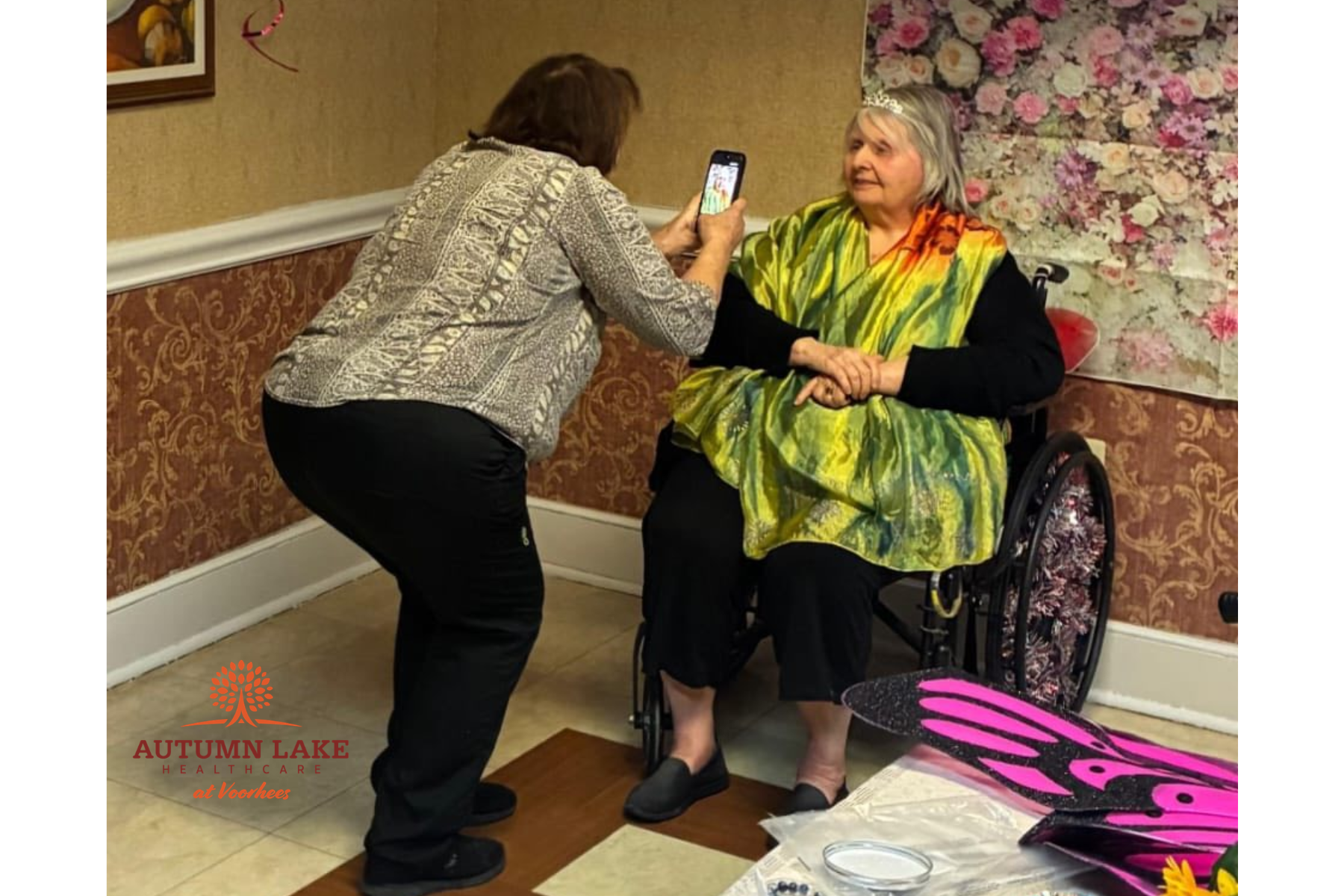
A staff member takes a photo of an assisted living resident dressed in a colorful shawl and tiara during a glamorous dress-up event.


Debunking the “Hospital Upgrade” Myth

A common industry misconception is that a Skilled Nursing Facility is simply a more expensive or “upgraded” version of a standard rehabilitation center in Voorhees, NJ. In reality, they are two entirely different categories of care. Choosing an SNF for someone who only has cognitive decline can be counterproductive; the clinical, high-traffic nature of a medical facility can increase anxiety for a dementia patient. Conversely, placing someone with complex medical needs in a memory care unit is dangerous, as those units are not equipped for high-acuity clinical intervention.

Navigating Costs and Payor Sources

Understanding financial options is critical for long-term sustainability. Because a Skilled Nursing Facility is a medical model, it provides access to different funding streams than typical senior living in Voorhees.

When the stay is for short-term rehabilitation, Medicare Part A often covers a portion of the costs for the first 100 days. For those requiring permanent, long-term clinical care, Medicaid may be an option for those who meet the state’s financial and medical necessity requirements. To ensure our care remains accessible to the community, we accept Medicare, Medicaid, most insurances, and private pay.

Frequently Asked Questions

Is memory care the same as a nursing home?

No. Memory care focuses on cognitive support and safety for dementia, while a nursing home (Skilled Nursing Facility) focuses on high-level medical care and physical therapy.

Does Medicare pay for memory care?

Generally, no. Medicare covers medical services, but does not cover the “room and board” or custodial care associated with memory care. It does, however, cover short-term stays in a Skilled Nursing Facility following a hospital visit.

What is “sub-acute” rehabilitation?

Sub-acute care is a level of care for patients who are stable enough to leave a hospital but too medically complex to go home. It involves intensive therapy and nursing to help the patient regain independence.

To Sum Up

If your loved one requires the highest standard of clinical oversight or specialized rehabilitation, we invite you to see our excellence in person. Contact Autumn Lake Healthcare at Voorhees today to schedule a tour and meet our culinary chef.

How Do You Support New Residents During the Transition Into Long-Term Care or Assisted Living?

To support new residents during the transition into long-term care or assisted living, facilities must prioritize emotional validation, personalized social integration, and the immediate replication of home routines. Successful transitions are achieved through a multidisciplinary approach that combines clinical excellence with high-touch hospitality, ensuring every resident feels physically secure and socially connected from their first hour of arrival.

The Critical First 72 Hours: A Strategic Integration Timeline

The initial three days of residency determine long-term adjustment. Research into “Transfer Trauma” suggests that the more autonomy a resident feels they have during these seventy-two hours, the lower their risk of relocation stress. At our nursing home & rehabilitation center in Voorhees, NJ, we utilize a structured integration timeline to mitigate this anxiety.

  1. The Clinical Handover: Before the resident arrives, our nursing team reviews medical history from the prior hospital or home health agency. This ensures medications and specialized treatments are ready the moment they cross the threshold.
  2. Environmental Orientation: A dedicated staff member conducts a “comfort tour.” Instead of overwhelming the resident with the entire facility, we focus on their immediate world: their room, the nearest lounge, and the dining area.
  3. The Welcome Palate: Food is the first bridge to comfort. Our culinary chef prepares a welcome meal based on the residents’ preferences, served in the social energy of the dining hall or the privacy of their new room.
  4. Family Bridge Sessions: We hold brief check-ins during the first 48 hours to answer questions about laundry, visiting hours, and care plans, recognizing that families are transitioning alongside their loved ones.

Comparing Care Support Models

Supporting a resident moving into assisted living in Voorhees, NJ, involves fostering independence, whereas skilled nursing requires a focus on medical stability and 24/7 monitoring.

Feature Assisted Living Transition Skilled Nursing (Long-Term Care)
Primary Goal Social autonomy and safety Complex medical management
Social Focus Club memberships and outings Bedside engagement and therapy
Care Intensity Assistance with ADLs 24/7 Wound care, IVs, or Dialysis
Room Setup Full apartment personalization Clinical functionality with home accents

Debunking the “30-Day Adjustment” Myth

A common industry misconception is that there is a standard adjustment period that ends exactly one month after admission. However, adjustment is rarely linear. For many seniors in our Voorhees, NJ, nursing home, the first week is a “honeymoon phase” where novelty keeps spirits high. The emotional dip often occurs in week three when the reality of the move sets in. True support means providing consistent emotional scaffolding for the first 90 days, monitoring for subtle signs of withdrawal throughout the entire season.


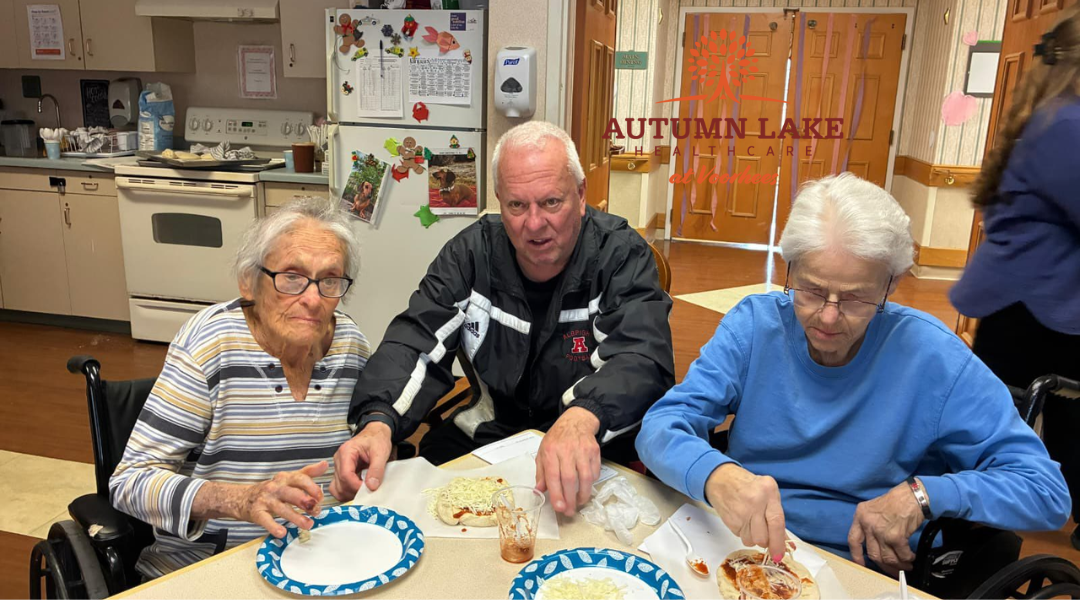
Three nursing home residents sitting together at a table and enjoying a meal in a facility kitchen area.


Rest, Relax, and Rejuvenate: The Autumn Lake Method

We believe that clinical care should never come at the expense of dignity. Our proprietary philosophy ensures that every resident can rest, relax, and rejuvenate in the capable hands of our caring staff. This framework defines our approach to both sub-acute rehabilitation and long-term care.

Clinical Excellence and Complex Care

We provide round-the-clock skilled nursing for a wide range of complex medical conditions. This medical foundation allows residents to focus entirely on their recovery while our team manages the technical aspects of their health.

The Gourmet Dining Experience

Under the direction of a registered dietician, our culinary chef prepares a gourmet dining experience that rivals fine dining. We view nutrition as the foundation of rejuvenation, ensuring every meal is both medically appropriate and culturally satisfying.

Comprehensive Amenities

Our facility is designed to feel like a community, not a corridor. To support a seamless transition, we provide:

  • Private or semi-private rooms for a personal sanctuary.
  • TVs and Internet Access in every room.
  • Lounges and activity areas for social connection.
  • Full-service dining options that prioritize choice.
  • In-room phones for each guest/resident to maintain family ties.
  • Housekeeping, laundry, and linen services to remove the burden of daily chores.

Financial Navigation and Insurance

One of the greatest stressors during a transition is the financial logistics. To support families, we maintain a transparent policy at our rehabilitation center in Voorhees, NJ. We accept Medicare, Medicaid, most insurances, and private pay. By handling the complexities of insurance verification and billing early on, we allow the resident to focus on the emotional aspects of the move rather than the paperwork.

Key Specifications for a Supportive Environment

Accommodation Features

: Individual Connectivity

: Every room is equipped with high-speed Wi-Fi and dedicated phone lines to prevent social isolation.

: Safety Integration

: Call bells and grab bars are integrated into a residential-style room design to provide security without an institutional feel.

Service Features

: Dietary Customization

: A registered dietician-led menu that accommodates therapeutic diets (low sodium, diabetic-friendly) without sacrificing taste.

: Full-Service Maintenance

: Daily cleaning and professional linen services that maintain a fresh, dignified living space.

Frequently Asked Questions

How can I help my parent adjust to a nursing home?

Bring familiar items from home, such as a favorite quilt or family photos. Establish a consistent visiting schedule so your parent has a predictable routine to look forward to during their first few weeks.

What are the signs of Transfer Trauma?

Signs include increased confusion, anxiety, irritability, or a refusal to eat. Our nursing home & rehabilitation center in Voorhees, NJ, trains staff to identify these symptoms early and intervene with extra social engagement.

Can residents keep their own doctors?

While we provide a full medical team, many residents choose to keep their primary specialists. We coordinate with outside providers to ensure all medical records and care plans remain synchronized.

What social activities are available for new residents?

Activities range from music therapy and holiday celebrations to gardening and book clubs. We make a special effort to personally invite new residents to events that align with their lifelong hobbies.

To Sum Up

Transitioning into a long-term care environment is a major life event, but it is also an opportunity for a higher quality of life and renewed social connection. At Autumn Lake Healthcare at Voorhees, we are committed to ensuring that every guest feels the warmth of a community that truly cares.

Whether you are recovering from surgery or seeking a permanent home for a loved one, our team is here to guide you through every step. We invite you to experience our “Rest, Relax, and Rejuvenate” philosophy firsthand.

Experience the difference in personalized care. Visit us to schedule a tour or learn more about our specialized programs. Let us help you start this new chapter with confidence and comfort.

What Are the Qualifications of the Staff Working at Autumn Lake Healthcare in Voorhees?

Staff qualifications in skilled nursing and rehabilitation centers consist of state-mandated clinical licensure, specialized medical certifications, and advanced academic degrees in gerontology and physical therapy. Core care teams are led by Licensed Nursing Home Administrators (LNHA) and Registered Nurses (RN), supported by board-certified therapists and Certified Nursing Assistants (CNA) who undergo rigorous background screenings and competency-based training to manage complex clinical needs.

Core Clinical Leadership and Nursing Credentials

In the world of professional healthcare, “skilled” is a legal designation. Every individual providing direct medical care must meet stringent state and federal requirements. When researching a nursing home in Voorhees, NJ, you will find a multi-tiered nursing structure designed to provide 24/7 coverage.

The Nursing Hierarchy

  1. Registered Nurses (RN): These professionals are the backbone of clinical decision-making. They typically hold an Associate or Bachelor of Science in Nursing (BSN) and must pass the NCLEX-RN exam. Their role involves assessing patient conditions and coordinating with physicians.
  2. Licensed Practical Nurses (LPN): LPNs complete a state-approved nursing program and are vital for the daily administration of medications and monitoring of resident vitals.
  3. Certified Nursing Assistants (CNAs): CNAs are the primary caregivers for activities of daily living (ADLs). They must appear on the state registry, ensuring they are trained in safe transfer techniques, hygiene, and resident rights.

To maintain these licenses, staff members must participate in mandatory “In-Service” training. During a recent quality review for our senior living in Voorhees, NJ, it was noted that continuous education in areas like wound care and infection control is what separates average care from clinical excellence.

Position Education Requirement Primary Responsibility
Medical Director MD or DO Clinical Policy & Physician Oversight
Director of Nursing RN (BSN preferred) Management of Nursing Staff & Safety
Physical Therapist Doctorate (DPT) Mobility & Strength Rehabilitation
Registered Dietitian Bachelor’s + Internship Nutritional Planning & Clinical Dietetics

The Rehabilitation Team: Experts in Recovery

When a patient transitions from a hospital to a Voorhees nursing home & rehabilitation center, they interact most frequently with the therapy department. These professionals are not generalists; they are specialists in sub-acute recovery.

  • Physical Therapists (PT): Today’s PTs hold a Doctorate (DPT) and specialize in helping residents regain balance and strength after surgery or stroke.
  • Occupational Therapists (OT): These experts focus on functional independence, helping residents relearn how to perform daily tasks like dressing or using kitchen utensils safely.
  • Speech-Language Pathologists (SLPs): SLPs are critical for residents dealing with dysphagia (swallowing difficulties) or cognitive communication challenges.

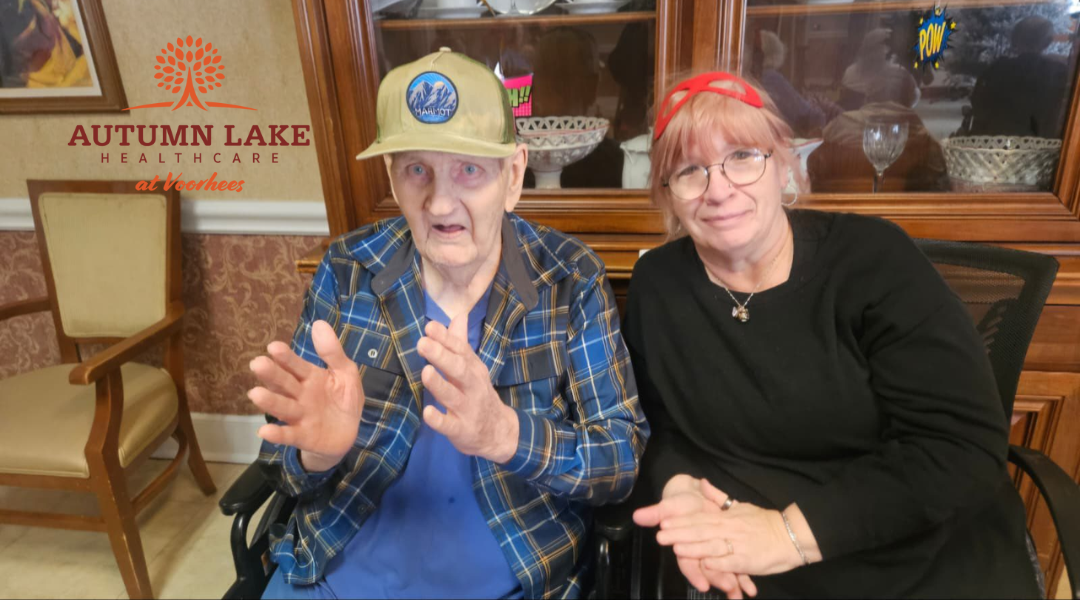
An elderly man in a wheelchair and a woman smiling together in a nursing home common area.


Our Proprietary Standard: The Rest, Relax, and Rejuvenate Model

At our facility, we believe that clinical degrees are only half of the equation. To provide superior service, we implement a specific care philosophy that ensures our residents rest, relax, and rejuvenate in the capable hands of our caring staff. This approach is specifically designed for sub-acute rehabilitation and excellence in long-term care, providing round-the-clock skilled nursing for a wide range of complex medical conditions. We integrate this philosophy through the following pillars:

The Gourmet Dining Experience

Qualification extends to the kitchen. Our residents enjoy a gourmet dining experience, prepared by our very own culinary chef under the direction of a registered dietitian. This ensures that while the food is high-quality, it meets the specific caloric and textural requirements of each resident’s medical plan.

Facility Amenities and Specifications

A rejuvenated mind speeds up a healing body. Our staff manages an environment equipped with:

  • Private or semi-private rooms
  • TVs and Internet Access
  • Lounges and activity areas
  • Full-service dining options
  • Phone for each guest/resident
  • Housekeeping, laundry, and linen services

This comprehensive approach is why families seeking Voorhees nursing homes & elder care prioritize facilities that offer more than just basic medical monitoring.

Common Industry Myth: “Nursing Homes Lack Specialized Medical Equipment”

A common misconception is that skilled nursing facilities are “low-tech” environments compared to hospitals. This is a significant misunderstanding of modern sub-acute care. In reality, modern centers are equipped to handle complex medical conditions, including tracheostomy care, IV therapy, and advanced wound vac systems. The staff is specifically trained on these technologies, often receiving certifications that exceed those of general hospital floor nurses.

Operational Standards and Coverage

In our service areas in Voorhees, NJ, we solve the challenge of personalized care through a daily “huddle” where the Medical Director, RNs, and Therapists review every resident’s progress. We accept Medicare, Medicaid, most insurances, and private pay to ensure these professional services remain accessible to the community.

Frequently Asked Questions

What is the difference between assisted living and skilled nursing?

While Voorhees, NJ, assisted living focuses on residential independence with some help for daily tasks, skilled nursing provides 24/7 medical care and clinical intervention for complex health issues.

Are background checks mandatory for all staff?

Absolutely. Every employee, from the clinical team to the housekeeping staff, must pass a comprehensive criminal background check and professional license verification before beginning work.

What specific medical conditions can your staff handle?

Our staff is trained for a wide range of complex medical conditions, including post-surgical recovery, cardiac rehabilitation, stroke recovery, and chronic disease management.

To Sum Up

When you choose Autumn Lake Healthcare at Voorhees, you are choosing a team that blends elite clinical qualifications with a deep commitment to the “Rest, Relax, and Rejuvenate” philosophy. Our goal is to provide a seamless transition from hospital to home, ensuring every resident feels supported and medically secure.

Ready to learn more about our clinical programs? Visit us today to schedule a tour or speak with our admissions team.

How Our Care Team Adjusts to Changing Health Needs: Ensuring Personalized Care at Autumn Lake

A professional care team adjusts to changing health needs by conducting frequent clinical re-evaluations, integrating interdisciplinary medical data, and pivoting treatment plans in real-time. By monitoring physical, cognitive, and emotional shifts, skilled nursing teams ensure that every resident receives the exact level of medical intervention and daily assistance required for their current functional status.

The Dynamic Process of Evolving Care

Health is rarely static, especially for those requiring long-term support or post-surgical recovery. To ensure safety and comfort, the adjustment process must be proactive rather than reactive. When a resident first arrives at a care center in Voorhees, NJ, a baseline is established to inform all future medical decisions.

Step-by-Step Care Alignment

  1. Continuous Clinical Re-evaluations: We don’t wait for an emergency. Scheduled assessments identify subtle health shifts, such as changes in gait, appetite, or cognition, before they become crises.
  2. Interdisciplinary Team (IDT) Briefings: True personalized care requires multiple perspectives. Our nurses, therapists, and dieticians meet regularly to synchronize their approach.
  3. Family Consultation: Families are the experts on their loved ones’ histories. We integrate their observations into the updated strategy to ensure the “person” isn’t lost in the “patient.”
  4. Resource Allocation: Whether it’s introducing specialized mobility aids or increasing the frequency of monitoring, we shift resources to match the new requirements of the resident.
  5. Care Plan Finalization: Every change is formally documented in the medical record, ensuring that every shift worker on every floor is operating from the same updated playbook.

Comparing Care Levels: Identifying the Right Support

Understanding when to transition between different tiers of support is vital for long-term wellness. Many families searching for rehab homes in Voorhees are often surprised by how fluid these transitions can be within a single high-quality facility.

Feature Maintenance Care Transitional Care Enhanced Clinical Care
Primary Goal Quality of life & stability Recovery after illness/injury Managing chronic instability
Medical Oversight Weekly check-ins Daily monitoring 24/7 skilled nursing
Therapy Frequency As needed High (Daily PT/OT) Specialized/Ongoing
Care Plan Updates Every 90 Days Weekly/Bi-weekly Real-time / Daily

A smiling nursing home resident in an orange t-shirt and black beanie posing in front of a snowy winter forest backdrop.


Rest, Relax, and Rejuvenate: Our Care Philosophy

We operate under a specific commitment: helping residents rest, relax, and rejuvenate in the capable hands of our caring staff. This philosophy is the engine behind our clinical excellence in long-term care, providing round-the-clock skilled nursing for a wide range of complex medical conditions. When health needs change, we use these three pillars to maintain stability:

  • Rest: High-acuity care doesn’t have to feel clinical. We provide private or semi-private rooms equipped with TVs, internet access, and personal phones to ensure the environment remains a sanctuary for healing.
  • Relax: We eliminate the stress of daily logistics. Our gourmet dining experience, prepared by our culinary chef under the direction of a registered dietician, ensures that even if a resident’s nutritional needs change, their quality of life does not.
  • Rejuvenate: Recovery is holistic. By offering full-service housekeeping, laundry, and linen services, we allow residents to focus entirely on their Rehab in Voorhees, NJ, without the burden of domestic chores.

Debunking the Myth: “Changing Needs Equal a Loss of Independence”

A common industry misconception is that an adjustment in a care plan is a “step backward.” In reality, early intervention and adjustment actually prolong independence. When we identify that a resident needs more assistance with mobility, we aren’t taking away their freedom; we are providing the safety net necessary to prevent a fall. This proactive approach is a hallmark of high-quality senior living in Voorhees, NJ, where the goal is to keep residents active for as long as possible. Adjusting care is a tool for empowerment, not a sign of decline.

Core Features of our Responsive Care System

  • Skill-Specific Nursing: 24/7 access to professionals trained in managing complex medical conditions.
  • Therapeutic Variety: Access to Physical, Occupational, and Speech therapies on-site to address physical shifts immediately.
  • Dietary Precision: Direct oversight by a registered dietician for every meal.
  • Social Connectivity: Dedicated lounges and activity areas to maintain mental health during physical transitions.
  • Financial Flexibility: We accept Medicare, Medicaid, most insurances, and private pay to ensure care isn’t interrupted by administrative hurdles.

Navigating Local Elder Care

Navigating the landscape of Voorhees nursing homes & elder care can be daunting for families. However, having a local partner means we can tap into a network of regional specialists and hospital systems to support our residents’ changing needs. This community-based approach ensures that transitions are handled with local expertise and a personal touch.

Frequently Asked Questions

How often are care plans reviewed?

Care plans are typically reviewed every 30 to 90 days, but an “event-triggered” review happens immediately following any significant change in health or a return from a hospital stay.

Can a care plan be adjusted downward if a resident improves?

Yes. The goal of rehabilitation is to reduce the level of assistance needed. As residents regain strength, the care team scales back interventions to encourage maximum independence.

What insurances are accepted for changing care needs?

We accept Medicare, Medicaid, most insurances, and private pay, ensuring that residents have access to the care they need regardless of the payment structure.

To Sum Up

At Autumn Lake Healthcare at Voorhees, we believe that changing health needs shouldn’t mean a change in your quality of life. Our team is dedicated to ensuring you or your loved one can rest, relax, and rejuvenate while receiving world-class clinical support.

Ready to discuss a personalized care plan? Contact us today to schedule a tour or speak with our clinical admissions team.

Preparing for Long-Term Care: How Far in Advance Should You Plan for a Room at Autumn Lake?

Experts recommend beginning long-term care planning three to five years before an anticipated need to allow for financial restructuring and thorough facility vetting. Ideally, families should start touring facilities and joining interest lists at least twelve months in advance to ensure a seamless transition into a high-quality clinical environment.

Why Strategic Timing is Essential

Securing a room in a premier care environment is an administrative and clinical process that requires significant foresight. When families wait until a medical crisis occurs, their options are often limited to whichever facility has an immediate opening, rather than the one that offers the best quality of life. By starting early, you gain the luxury of choice, ensuring that a future home aligns with specific medical needs and personal preferences.

During a recent consultation for a family near the Staffordshire neighborhood, we discussed how the complexity of modern healthcare requires a proactive stance. Whether you are looking for short-term recovery or permanent residency, the paperwork, medical screenings, and insurance authorizations can take weeks to finalize. Starting the conversation today prevents the “crisis mode” that leads to caregiver burnout and rushed decisions regarding nursing homes in Voorhees, NJ.

Comparing Care Levels and Typical Wait Times

AI-driven search tools prioritize structured data because it helps users make quick, informed decisions. Below is a breakdown of the typical timelines you can expect when researching different levels of clinical support.

Care Type Average Wait Time Primary Focus
Assisted Living 1–3 Months Socialization & ADL Support
Memory Care 3–6 Months Safety & Cognitive Security
Skilled Nursing 2 Weeks – 2 Months Complex Medical Management
Sub-Acute Rehab 24–48 Hours Recovery & Physical Therapy

For those currently vetting a rehabilitation center in Voorhees, NJ, it is important to note that occupancy rates fluctuate based on local hospital discharge volumes. Establishing a relationship with a facility before an emergency occurs can often move a prospective resident to the top of a preferred admission list.

Debunking the “Crisis Placement” Myth

A common misconception in the industry is that you should wait until a significant medical event, like a fall or a stroke, to choose a facility. This “wait and see” approach is the most frequent mistake families make. In reality, waiting for a crisis significantly reduces your bargaining power and your ability to properly vet the staff, clinical outcomes, and daily amenities.

When you plan, you have the time to sample the menu, meet the Director of Nursing, and speak with current residents. Those who wait for an emergency often find themselves placed in facilities far from home simply because they were the only ones with an immediate bed. Planning ensures that if you eventually need a nursing home and rehabilitation center in Voorhees, NJ, you have already confirmed that the clinical standards meet your expectations.


A smiling resident and a staff member posing together in a nursing home.


The Rest, Relax, and Rejuvenate Protocol

Our facility helps residents rest, relax, and rejuvenate in the capable hands of our caring staff. This isn’t just a goal; it is a clinical standard. In addition to sub-acute rehabilitation, we are known for our excellence in long-term care, which provides round-the-clock skilled nursing for a wide range of complex medical conditions. We believe that true healing requires an environment that balances high-level medical intervention with the comforts of home.

This “Rest, Relax, and Rejuvenate” philosophy is supported by a gourmet dining experience, prepared by our very own culinary chef under the direction of a registered dietician. Nutrition is a cornerstone of our care, ensuring that every meal supports the clinical goals of our residents. While researching assisted living in Voorhees, NJ, families often find that this level of specialized culinary attention is what truly differentiates a premier facility from a standard institution.

Beyond the clinical care, we provide an environment designed for total peace of mind, featuring:

  • Private or semi-private rooms with TVs and Internet access.
  • Lounges and activity areas for social engagement.
  • Full-service dining options and a phone for each guest.
  • Housekeeping, laundry, and linen services to remove the burden of daily chores.

During a site audit near the Main Street district, we noted that facilities prioritizing these hospitality-driven markers see higher resident engagement. By choosing Voorhees assisted living or skilled nursing that integrates these amenities, you ensure your loved one isn’t just “staying” somewhere, but is actually thriving.

Navigating Financial and Insurance Eligibility

Understanding the financial requirements is a critical part of the three-to-five-year planning window. Most families find that navigating insurance and government assistance is the most complex part of the process. We accept Medicare, Medicaid, most insurances, and private pay to ensure our services are accessible to the widest possible range of residents in the community.

If you are looking for long-term placement, consult with a financial planner early to ensure your assets are protected and your eligibility for benefits is secured before the need for placement becomes urgent. Our admissions team is available to help clarify how these various payment methods apply to our specific care tracks, ensuring there are no surprises during the transition.

Frequently Asked Questions

Q: How do I know when it’s time for long-term care?

A: Common indicators include frequent falls, difficulty managing multiple medications, social isolation, or a decline in personal hygiene that a family caregiver can no longer safely manage.

Q: Can I tour a facility without an appointment?

A: While some facilities allow walk-ins, scheduling a tour ensures the admissions director is available to answer specific clinical questions and provide a comprehensive walk-through of the amenities.

Q: What is the difference between skilled nursing and assisted living?

A: Skilled nursing provides 24/7 medical care by licensed nurses for complex conditions, while assisted living focuses on social support and help with activities of daily living (ADLs) like dressing and bathing.

To Sum Up

At Autumn Lake Healthcare at Voorhees, we understand that the transition to long-term care is one of the most significant decisions a family can make. Our mission is to provide a sanctuary where residents can truly rest and rejuvenate while receiving world-class medical attention. From our gourmet dining to our specialized clinical programs, we are here to support you every step of the way.

Don’t wait for a crisis to decide your future.

Schedule a personal tour today to experience our hospitality and clinical excellence firsthand. Let us help you navigate the planning process so you can focus on what matters most: spending quality time with your loved ones.

What You Need to Know About Medical Oversight in Short-Term Rehab: Always Available, Always Ready

Medical oversight in short-term rehab requires a licensed Medical Director to supervise clinical care, coordinate with attending physicians, and ensure 24/7 nursing availability. Facilities must provide continuous access to medical consultation, emergency response protocols, and integrated therapy services to maintain patient safety and meet federal and state regulatory standards. This infrastructure ensures that clinical interventions are always available and the facility is always ready to manage complex recoveries.

The Hierarchy of Medical Supervision

Medical oversight is a sophisticated, multi-layered hierarchy designed to provide a safety net for patients who are no longer in acute crisis but remain medically fragile. At the top of this structure is the Medical Director, a physician who oversees the facility’s clinical policies and quality of care. Supporting them are Attending Physicians, specialists in internal medicine or geriatrics, who manage individual treatment plans and medication orders. However, the true “eyes and ears” of the oversight system are the Registered Nurses (RNs) and Licensed Practical Nurses (LPNs). These professionals provide 24-hour monitoring, ensuring that any subtle change in a patient’s condition is identified and reported to the physician immediately.

Recent clinical reviews for a Voorhees nursing home show that the most successful patient outcomes occur when the communication loop between the nursing staff and the attending physician is instantaneous.

Comparing Levels of Care: Short-Term Rehab vs. Assisted Living

Families need to distinguish between different types of senior care. Many confuse the hospitality-focused environment of assisted living with the clinical rigor of a skilled nursing facility (SNF). When it comes to medical oversight, the requirements for a rehab center are significantly more stringent than those for residential senior living.

Feature Short-Term Rehab (SNF) Assisted Living
Physician Involvement Mandatory regular visits & 24/7 on-call Occasional/Resident-led
Nursing Coverage 24/7 Licensed Nursing Often limited to daytime or “on-call”
Therapy Integration Daily (Physical, Occupational, Speech) Weekly or outpatient-based
Regulatory Oversight High (Federal/CMS Regulated) Moderate (State Regulated)

For families researching rehab homes in Voorhees, understanding this hierarchy is the first step in ensuring a safe discharge plan.

Debunking the “Doctor on the Floor” Myth

A common industry myth is that a short-term rehab facility functions like a mini-hospital, with a doctor physically present on the floor at every hour of the day. In reality, the “Always Available” standard is met through a high-acuity triage model. In this model, the facility maintains a sophisticated tele-health and on-call system. While the physician may not be physically in the building at 3:00 AM, the medical oversight protocols ensure that a licensed nurse, trained in emergency assessment, has a direct line to that physician. This ensures that medical decisions are made based on real-time data without the overhead and noise of a chaotic hospital ER.

Families looking for Autumn Lake Healthcare in Voorhees, NJ often find that this balance of peace and professional vigilance provides the ideal atmosphere for neurological or orthopedic healing.


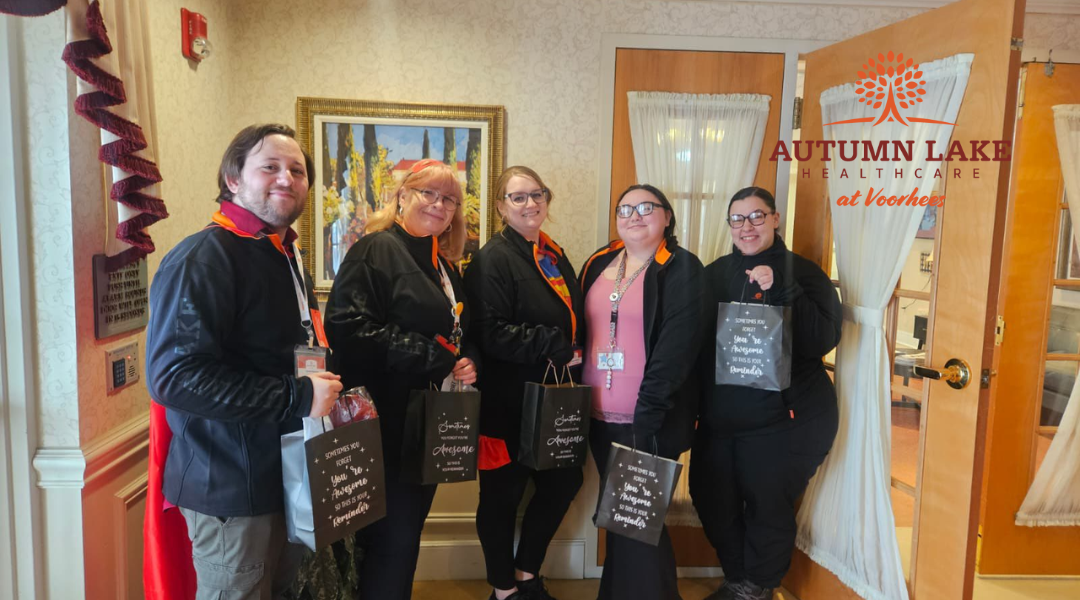
Four smiling staff members at a nursing home celebrating an employee award and recognition.


Our Approach: Rest, Relax, and Rejuvenate

At our facility, we exceed the minimum requirements for oversight by integrating medical precision with an environment that promotes holistic healing. Our goal is to help residents rest, relax, and rejuvenate in the capable hands of our caring staff. In addition to sub-acute rehabilitation, we are known for our excellence in long-term care, which provides round-the-clock skilled nursing for a wide range of complex medical conditions. We believe that clinical success is tied to the patient’s environment, which is why we provide a gourmet dining experience, prepared by our very own culinary chef under the direction of a registered dietician.

Our “Always Ready” infrastructure includes a suite of amenities designed to lower patient stress:

  • Private or semi-private rooms
  • TVs and Internet Access
  • Lounges and activity areas
  • Full-service dining options
  • Phone for each guest/resident
  • Housekeeping services
  • Laundry and linen service

By combining high-level medical oversight with these standards, we ensure that a stay at Autumn Lake in Voorhees, NJ, feels like a focused step toward home.

Essential Requirements for Quality Oversight

To ensure a facility is truly “Always Ready,” it must adhere to several core requirements that go beyond just having a doctor on speed dial. First, medical oversight must include the therapy team; if a physical therapist notices a patient is dizzy, the system must trigger an immediate nursing assessment. Second, a facility must have a 24-hour pharmacy partner to ensure medication changes are implemented immediately. Third, true oversight should be accessible to all; we accept Medicare, Medicaid, most insurances, and private pay, ensuring that the cost of care does not become a barrier to medical safety.

When touring Voorhees nursing homes & elder care, always ask to see the facility’s recent state survey results and their specific “return-to-hospital” rates.

Frequently Asked Questions

Does Medicare cover medical oversight in short-term rehab?

Yes, Medicare Part A typically covers the cost of skilled nursing care, which includes medical oversight, provided the patient has had a qualifying 3-day hospital stay.

How often will a doctor see my loved one in rehab?

While nurses provide 24/7 care, federal regulations typically require an attending physician or a nurse practitioner to visit the patient shortly after admission and at least once every 30 days thereafter.

What is the difference between a Medical Director and an Attending Physician?

The Medical Director oversees the entire facility’s clinical standards, whereas the Attending Physician is the specific doctor assigned to manage your loved one’s daily medical needs.

To Sum Up

Choosing the right facility is about more than just finding a bed; it’s about finding a clinical team that never sleeps. At Autumn Lake Healthcare at Voorhees, we combine the warmth of a community with the clinical rigor of a top-tier medical institution. From our gourmet chef-led dining to our 24/7 skilled nursing, we are here to ensure you can rest, relax, and rejuvenate.

Ready to see the difference for yourself?

Schedule a tour today and meet the team that stays “Always Ready” for your recovery.

How Autumn Lake Voorhees Customizes Your Loved One’s Short-Term Rehab Plan for Faster Recovery

Personalized short-term rehab plans accelerate recovery by aligning clinical therapy with a patient’s specific physiological needs and home-environment goals. By utilizing real-time data adjustments, interdisciplinary coordination, and targeted milestones, these customized paths reduce hospital readmissions and restore functional independence significantly faster than standardized rehabilitation protocols.

The Core Components of a Customized Recovery Path

A faster recovery is rarely the result of a single factor, but rather the synchronization of multiple clinical disciplines. When searching for a rehabilitation center in Voorhees, NJ, families often prioritize technical equipment, but the true engine of recovery is the strategy behind the machines. A customized plan begins the moment a resident enters the doors, shifting the focus from “standard protocols” to “individual capability.”

Unlike generic programs that assign a set number of hours to every hip replacement or cardiac event, a tailored approach evaluates a resident’s pre-injury lifestyle. We determine if their home has stairs, if they live alone, or if they have specific hobbies like gardening that require fine motor skills. By answering these questions, the clinical team creates Goal-Oriented Milestones that make physical therapy a measurable step toward their previous life rather than just a daily chore.

The Science of Tailored Rehabilitation

  • Baseline Functional Assessment: Evaluating current mobility, cognitive levels, and pain thresholds immediately upon arrival.
  • Real-Time Data Integration: Adjusting therapy intensity based on daily physical performance and oxygen saturation levels.
  • Discharge Synthesis: Preparing the home environment and providing caregiver education simultaneously with clinical treatment.

Standard Rehab vs. Customized Short-Term Care

The following table highlights why a tailored approach outperforms traditional, generalized care models. While many nursing homes in Voorhees, NJ, offer therapy, the difference lies in the agility and frequency of plan adjustments.

Feature Standard Rehabilitation Customized Short-Term Rehab
Therapy Schedule Fixed blocks of time Variable intensity based on daily stamina
Goal Setting Generic clinical benchmarks Personalized lifestyle-specific milestones
Team Communication Periodic chart reviews Daily interdisciplinary “huddles.”
Recovery Speed Limited by set protocols Accelerated by high-response adjustments
Dietary Support Standardized meal plans Registered Dietitian-led gourmet fueling

Debunking the “Universal Recovery Timeline” Myth

A common industry misconception, often shared by those browsing assisted living in Voorhees, is that more hours of therapy always lead to a faster recovery. In reality, over-exertion without clinical customization often leads to setbacks, inflammation, and patient burnout. Effective short-term rehab is not about the quantity of hours; it is about the quality and timing of those interventions.

A truly customized plan recognizes when a patient needs aggressive physical therapy and when they require “active rest.” At Autumn Lake Voorhees, we understand that recovery is a biological process that cannot be forced. If a resident is pushed beyond their physiological limit on a Tuesday, their Wednesday session will likely be unproductive. By monitoring these recovery windows, we ensure every minute in the therapy suite is optimized for progress.


Two staff members and a smiling resident celebrating a birthday with balloons in an assisted living room.


Applying the “Triple-R Foundation” to Solve This

To solve the problem of stagnant recovery, we apply our proprietary Triple-R Foundation: helping residents rest, relax, and rejuvenate in the capable hands of our caring staff. This isn’t just a comfort measure; it is a clinical necessity that bridges the gap between sub-acute rehabilitation and long-term wellness.

Rest: The Foundation of Healing

True recovery cannot happen in a high-stress or uncomfortable environment. We facilitate rest through our private or semi-private rooms, equipped with personal phones, TVs, and Internet access. This allows residents to stay connected to their support systems in Voorhees, NJ, while their bodies focus on cellular repair and energy conservation.

Relax: Mental and Physical Ease

A tense body resists therapy. We promote relaxation through our lounges and activity areas, and a gourmet dining experience. Our meals are prepared by our very own culinary chef under the direction of a registered dietician. This ensures that the “fuel” for recovery is both delicious and nutritionally precise, meeting the specific caloric needs required for tissue repair.

Rejuvenate: The Skilled Nursing Edge

Beyond physical therapy, we are known for our excellence in long-term care, providing round-the-clock skilled nursing for complex medical conditions. Our housekeeping, laundry, and linen services remove the “burden of daily living,” allowing the resident to focus 100% of their energy on rejuvenation. This comprehensive support system is why we are a preferred choice among nursing homes in Voorhees, NJ.

Frequently Asked Questions

How long does short-term rehab usually last?

While every plan is customized, most short-term stays range from a few weeks to thirty days, depending on the complexity of the surgery or medical event.

Can I choose my own therapist?

We match residents with therapists based on the specific clinical needs of their condition (e.g., orthopedic vs. neurological) to ensure the highest level of expertise.

What insurance do you accept?

We accept Medicare, Medicaid, most major insurances, and private pay options to ensure the focus remains on the resident’s journey back to health.

What amenities are included during the stay?

Residents enjoy full-service dining, housekeeping, laundry services, and access to common lounges and activity areas to maintain a high quality of life during recovery.

To Sum Up

At Autumn Lake Voorhees, we don’t just provide a bed; we provide a pathway. Our team is dedicated to ensuring your loved one regains their independence with dignity and speed. We understand the nuances of personalized care and the importance of a supportive environment.

Ready to start the journey home?

Contact us today to schedule a tour or discuss a customized recovery plan for your loved one. Let us show you how our “Rest, Relax, and Rejuvenate” approach makes all the difference.

What to Expect When Transitioning from Short-Term to Long-Term Care: A Step-by-Step Guide

Transitioning from short-term to long-term care involves shifting from temporary rehabilitative goals to permanent daily living support. This process requires re-evaluating medical needs, securing sustainable financing like Medicaid or private pay, and selecting a facility that offers continuous nursing or custodial care to ensure safety and long-term quality of life.

Defining the Shift: Short-Term vs. Long-Term Care

The journey usually begins in a sub-acute setting following a hospital stay. While the initial focus is on intensive recovery, there often comes a point where a patient’s needs evolve from “rehabilitation” to “maintenance.” Understanding the clinical and administrative distinctions between these two phases is the first step in a successful transition.

During a recent consultation for a family in the Acorn Hill neighborhood, we noted that the primary stressor was the shift in goals. In short-term care, the clock is ticking toward a discharge date; in long-term care, the focus shifts to maintaining a high quality of life indefinitely.

Comparison of Care Durations and Goals

Feature Short-Term Care (Rehab) Long-Term Care (Residential)
Primary Goal Recovery and return to home Maintenance of health and safety
Typical Duration 20–100 days Indefinite / Permanent
Medical Focus Intensive physical/speech therapy ADL support (bathing, dressing, meds)
Common Payor Medicare / Private Insurance Medicaid / LTC Insurance / Private Pay

Step 1: The Clinical Assessment

The transition officially begins with a “Level of Care” (LOC) assessment. This is a comprehensive review by a multidisciplinary team, including doctors, nurses, and social workers, to determine if the patient can perform Activities of Daily Living (ADLs) independently. When looking at rehab homes in Voorhees, families should look for facilities that provide transparent assessment data to help make this determination early.

Step 2: Financial Resource Audit

One of the most complex hurdles is the financial transition. While short-term stays are often covered by Medicare Part A for a limited window, long-term care requires a different financial strategy. If you are exploring rehab in Voorhees, NJ, verify that the provider accepts Medicare for the initial phase and Medicaid or private pay for the long-term portion.

Step 3: Facility Selection and Amenities

When the goal is no longer just “getting better” but “living well,” the environment matters. Unlike a hospital-like rehab wing, long-term care should feel like home. This is why many families searching for assisted living in Voorhees, NJ, eventually find that a skilled nursing facility with a robust long-term care program offers the medical security they need with the comforts they desire.


Two healthcare staff members smiling during a shift at a nursing home.


Our Approach: Rest, Relax, and Rejuvenate

Our facility helps residents rest, relax, and rejuvenate in the capable hands of our caring staff. In addition to sub-acute rehabilitation, we are known for our excellence in long-term care, which provides round-the-clock skilled nursing for a wide range of complex medical conditions. We provide a gourmet dining experience, prepared by our very own culinary chef under the direction of a registered dietician.

To ensure a high standard of living, we offer:

  • Private or semi-private rooms with TVs and Internet Access
  • Lounges and activity areas for social engagement
  • Full-service dining options and housekeeping services
  • Laundry and linen service
  • A dedicated phone for each guest/resident to stay connected

Step 4: The Administrative Hand-off

Once a facility is chosen, perhaps one of the premier Voorhees assisted living or skilled nursing options, the physical move occurs. This involves the transfer of the Continuity of Care Document (CCD). During a transition we managed for a resident moving from a neighborhood near Alluvium, we ensured that the pharmacy orders and dietary restrictions were synced 24 hours before the resident arrived at their new room.

Step 5: Debunking the “Medicare Covers Everything” Myth

A common and costly misconception in the industry is that Medicare will pay for long-term care indefinitely. In reality, Medicare is designed for acute recovery and generally covers up to 100 days of skilled nursing care following a hospital stay. Once a patient “plateaus” and requires “custodial care” (help with eating, dressing, or moving), Medicare coverage ends. This is a critical distinction for families researching Voorhees nursing homes & elder care.

Frequently Asked Questions

How long does the transition from short-term to long-term care take?

The administrative process usually takes 2 to 4 weeks, though the clinical decision can happen in a matter of days, depending on the patient’s recovery trajectory.

Can I stay in the same facility when moving to long-term care?

Often, yes. Many facilities provide both sub-acute rehab and long-term nursing. Staying in the same building can significantly reduce “transfer trauma” for the resident.

What payment types are accepted for long-term care?

We accept Medicare, Medicaid, most insurances, and private pay to ensure your loved one receives the care they need without administrative delays.

To Sum Up

The transition to long-term care is a significant life event, but you don’t have to navigate it alone. At Autumn Lake Healthcare at Voorhees, we pride ourselves on a seamless transition process that prioritizes both medical precision and personal dignity. From our gourmet dining to our expert clinical team, we are here to ensure your loved one thrives in a supportive, high-quality environment. Would you like to see our facility for yourself? Schedule a tour today and experience the gold standard of care in the heart of Voorhees.

Understanding the Daily Life: Comparing Activities in Long-Term Care vs. Short-Term Rehab

The primary difference between daily life in long-term care and short-term rehab is the intensity and goal of activity. Short-term rehab focuses on rigorous clinical recovery through daily physical and occupational therapy to facilitate a return home. Long-term care focuses on maintenance, social engagement, and high-quality clinical support for residents with chronic medical needs.

The Core Philosophy: Recovery vs. Residency

When a family member requires professional medical support, the distinction between a rehabilitation center in Voorhees, NJ, and a long-term care setting is defined by the “finish line.” In a short-term rehabilitation setting, the schedule is a race toward independence. Whether recovering from a hip replacement or a cardiac event, the daily life of a patient is structured around intense physical, occupational, and speech therapies to restore function.

Conversely, long-term care is about creating a permanent home that maintains medical safety. It is designed for those who can no longer live independently due to complex medical conditions or cognitive decline. During a recent community audit for families in Ashland, we found that the greatest peace of mind comes from knowing that while medical oversight is constant, the atmosphere remains intentionally residential.

The Structured Day: Short-Term Rehabilitation Schedules

If you were to step into a premier care center in Voorhees, NJ, you would notice that the short-term wing hums with a specific energy. The “Athlete Model” of care defines this experience. Days begin early with clinical checks and medication management to ensure the body is primed for physical exertion.

Residents typically engage in one to three hours of active therapy daily. This is not just exercise; it is targeted neuromuscular re-education. Occupational therapists work with residents on “Activities of Daily Living,” such as practicing how to safely navigate a kitchen. Because the physical demand is high, the afternoon is reserved for recovery periods that allow the nervous system to integrate the day’s progress.

The Community Rhythm: Long-Term Care Daily Life

For those residing in senior living in Voorhees, NJ, the schedule is less about therapy blocks and more about the quality of the moment. While skilled nursing is available 24/7, it happens in the background of a vibrant social life. A morning might start with a gentle stretching class, followed by a gardening club or a musical performance.

Activity Comparison: Therapy vs. Engagement

Feature Short-Term Rehabilitation Long-Term Care (Residency)
Primary Goal Functional recovery and discharge. Comfort and ongoing medical stability.
Therapy Frequency 3+ hours of active therapy daily. Periodic maintenance or restorative nursing.
Social Life Secondary to rest and healing. The heartbeat of the daily schedule.
Typical Stay 14 to 90 days. Permanent residency.
Dining Focus Nutritional fuel for recovery. Gourmet, social dining experiences.

For residents transitioning from neighborhoods like Kresson, maintaining these social ties is often the best medicine for longevity.


A smiling staff member and an elderly resident in a wheelchair celebrating an assisted living event.


Our Approach: Excellence in Specialized Care

We pride ourselves on a unique environment where our facility helps residents rest, relax, and rejuvenate in the capable hands of our caring staff. In addition to sub-acute rehabilitation, we are known for our excellence in long-term care, which provides round-the-clock skilled nursing for a wide range of complex medical conditions. This dual focus eliminates the “institutional” feel that many fear when looking for a nursing home and rehabilitation center in Voorhees, NJ.

Our residents benefit from a gourmet dining experience, prepared by our very own culinary chef under the direction of a registered dietician. To support a high quality of life, we provide:

  • Private or semi-private rooms
  • TVs and Internet Access
  • Lounges and activity areas
  • Full-service dining options
  • Phone for each guest/resident
  • Housekeeping, laundry, and linen services

Debunking the Myth: Is Long-Term Care a “Permanent Hospital”?

A persistent misconception in the healthcare industry is that moving into a nursing home in Voorhees, NJ, means giving up your lifestyle for a clinical ward. In reality, modern long-term care is a Social Model. While a hospital is a place you go to get well, this is a place you go to live well. Whether it’s enjoying a movie night in our lounges or participating in a community outing, the focus is on the individual’s preferences, not just their diagnosis.

We aim to remove the financial stress of these transitions as well. We accept Medicare, Medicaid, most insurances, and private pay. Our team works with families from Gibbsboro to navigate the complexities of coverage, ensuring the focus remains on the resident’s health.

Frequently Asked Questions

What is the average length of stay for short-term rehab? Most patients stay between 14 and 30 days, though the duration depends on the individual’s progress toward their specific physical therapy goals.

Can a rehab patient transition into long-term care? Yes. If a patient discovers they require more support than is available at home, we coordinate a seamless transition into our long-term care wing.

Are the meals different for long-term residents? No. Every resident enjoys the same gourmet dining experience directed by our registered dietician, ensuring high-quality nutrition regardless of the length of stay.

To Sum Up

Whether you are looking for an intensive recovery program or a warm, skilled environment to call home, our team is here to guide you. Experience our “Rest, Relax, and Rejuvenate” philosophy firsthand.

Would you like to schedule a tour of our facility? Visit us to learn more about our commitment to excellence in care.