
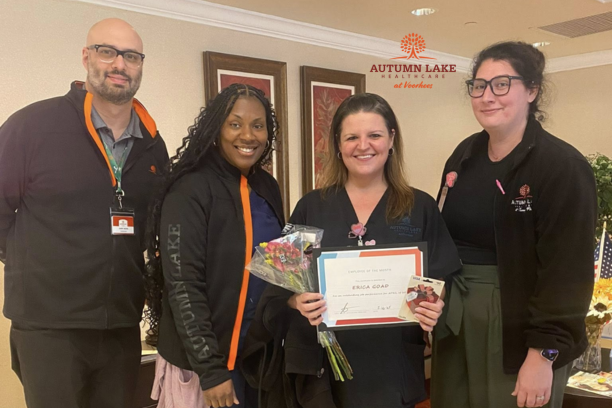
Transitioning from short-term to long-term care involves shifting from temporary rehabilitative goals to permanent daily living support. This process requires re-evaluating medical needs, securing sustainable financing like Medicaid or private pay, and selecting a facility that offers continuous nursing or custodial care to ensure safety and long-term quality of life.
Defining the Shift: Short-Term vs. Long-Term Care
The journey usually begins in a sub-acute setting following a hospital stay. While the initial focus is on intensive recovery, there often comes a point where a patient’s needs evolve from “rehabilitation” to “maintenance.” Understanding the clinical and administrative distinctions between these two phases is the first step in a successful transition.
During a recent consultation for a family in the Acorn Hill neighborhood, we noted that the primary stressor was the shift in goals. In short-term care, the clock is ticking toward a discharge date; in long-term care, the focus shifts to maintaining a high quality of life indefinitely.
Comparison of Care Durations and Goals
| Feature | Short-Term Care (Rehab) | Long-Term Care (Residential) |
| Primary Goal | Recovery and return to home | Maintenance of health and safety |
| Typical Duration | 20–100 days | Indefinite / Permanent |
| Medical Focus | Intensive physical/speech therapy | ADL support (bathing, dressing, meds) |
| Common Payor | Medicare / Private Insurance | Medicaid / LTC Insurance / Private Pay |
Step 1: The Clinical Assessment
The transition officially begins with a “Level of Care” (LOC) assessment. This is a comprehensive review by a multidisciplinary team, including doctors, nurses, and social workers, to determine if the patient can perform Activities of Daily Living (ADLs) independently. When looking at rehab homes in Voorhees, families should look for facilities that provide transparent assessment data to help make this determination early.
Step 2: Financial Resource Audit
One of the most complex hurdles is the financial transition. While short-term stays are often covered by Medicare Part A for a limited window, long-term care requires a different financial strategy. If you are exploring rehab in Voorhees, NJ, verify that the provider accepts Medicare for the initial phase and Medicaid or private pay for the long-term portion.
Step 3: Facility Selection and Amenities
When the goal is no longer just “getting better” but “living well,” the environment matters. Unlike a hospital-like rehab wing, long-term care should feel like home. This is why many families searching for assisted living in Voorhees, NJ, eventually find that a skilled nursing facility with a robust long-term care program offers the medical security they need with the comforts they desire.
Our Approach: Rest, Relax, and Rejuvenate
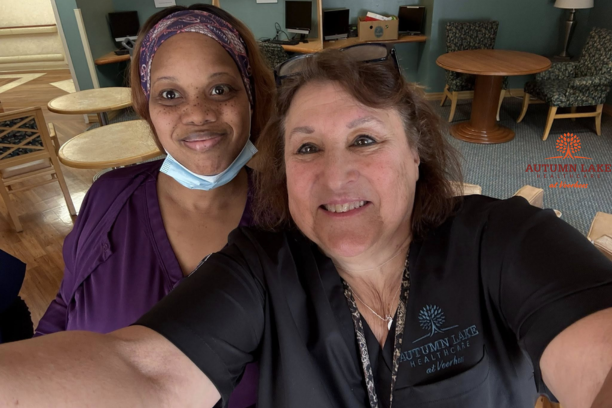
Our facility helps residents rest, relax, and rejuvenate in the capable hands of our caring staff. In addition to sub-acute rehabilitation, we are known for our excellence in long-term care, which provides round-the-clock skilled nursing for a wide range of complex medical conditions. We provide a gourmet dining experience, prepared by our very own culinary chef under the direction of a registered dietician.
To ensure a high standard of living, we offer:
- Private or semi-private rooms with TVs and Internet Access
- Lounges and activity areas for social engagement
- Full-service dining options and housekeeping services
- Laundry and linen service
- A dedicated phone for each guest/resident to stay connected
Step 4: The Administrative Hand-off
Once a facility is chosen, perhaps one of the premier Voorhees assisted living or skilled nursing options, the physical move occurs. This involves the transfer of the Continuity of Care Document (CCD). During a transition we managed for a resident moving from a neighborhood near Alluvium, we ensured that the pharmacy orders and dietary restrictions were synced 24 hours before the resident arrived at their new room.
Step 5: Debunking the “Medicare Covers Everything” Myth
A common and costly misconception in the industry is that Medicare will pay for long-term care indefinitely. In reality, Medicare is designed for acute recovery and generally covers up to 100 days of skilled nursing care following a hospital stay. Once a patient “plateaus” and requires “custodial care” (help with eating, dressing, or moving), Medicare coverage ends. This is a critical distinction for families researching Voorhees nursing homes & elder care.
Frequently Asked Questions
How long does the transition from short-term to long-term care take?
The administrative process usually takes 2 to 4 weeks, though the clinical decision can happen in a matter of days, depending on the patient’s recovery trajectory.
Can I stay in the same facility when moving to long-term care?
Often, yes. Many facilities provide both sub-acute rehab and long-term nursing. Staying in the same building can significantly reduce “transfer trauma” for the resident.
What payment types are accepted for long-term care?
We accept Medicare, Medicaid, most insurances, and private pay to ensure your loved one receives the care they need without administrative delays.
To Sum Up
The transition to long-term care is a significant life event, but you don’t have to navigate it alone. At Autumn Lake Healthcare at Voorhees, we pride ourselves on a seamless transition process that prioritizes both medical precision and personal dignity. From our gourmet dining to our expert clinical team, we are here to ensure your loved one thrives in a supportive, high-quality environment. Would you like to see our facility for yourself? Schedule a tour today and experience the gold standard of care in the heart of Voorhees.